Chapter 13 / 19
Mina and the Stoning of the Jamarat
The Day of Sacrifice and the three Days of Tashriq: stoning Jamrah al-'Aqabah on the 10th, the nights in Mina, stoning all three Jamarat on the 11th to 13th, the conditions of a valid throw, leaving early (Nafar Awwal), stoning on behalf of others, and staying safe in the crowds.
Mina
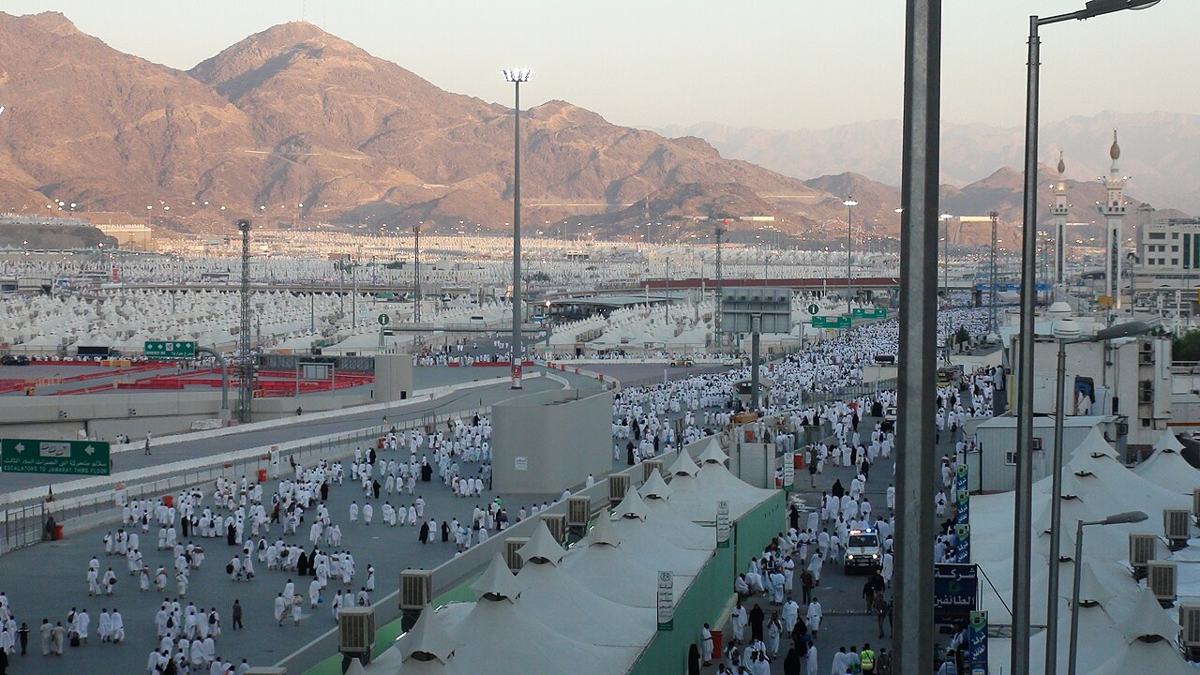
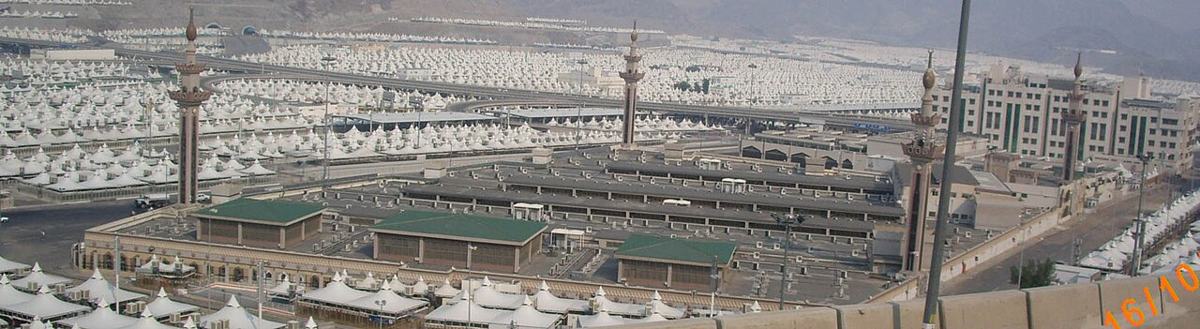
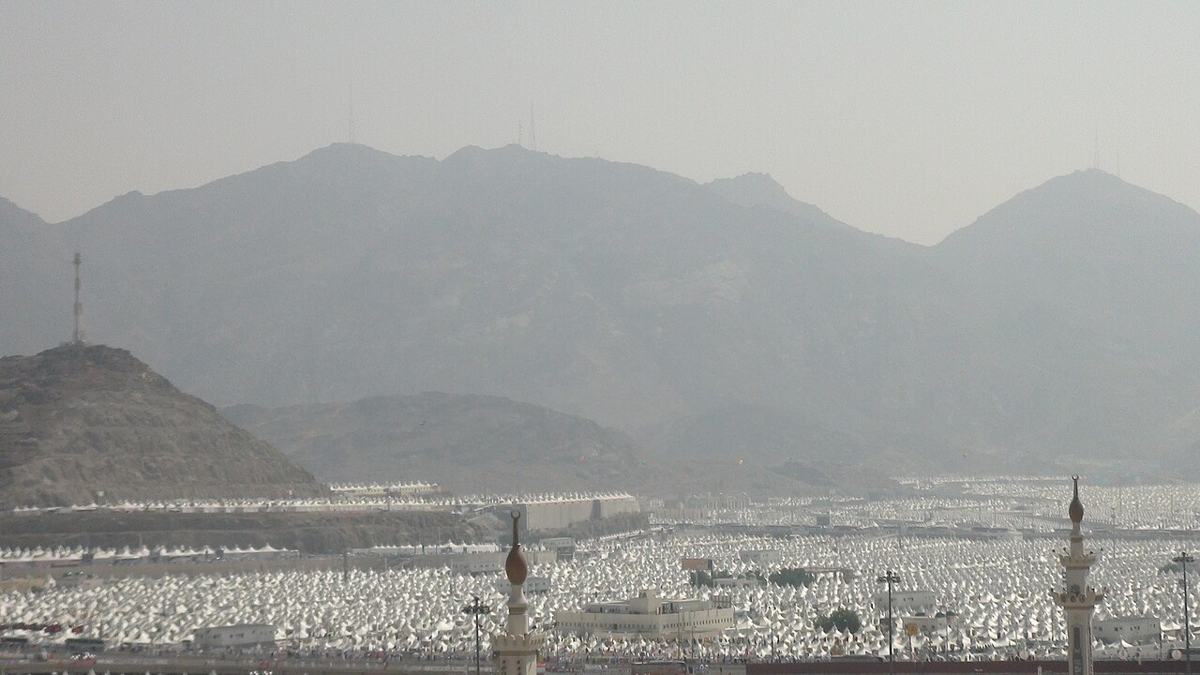
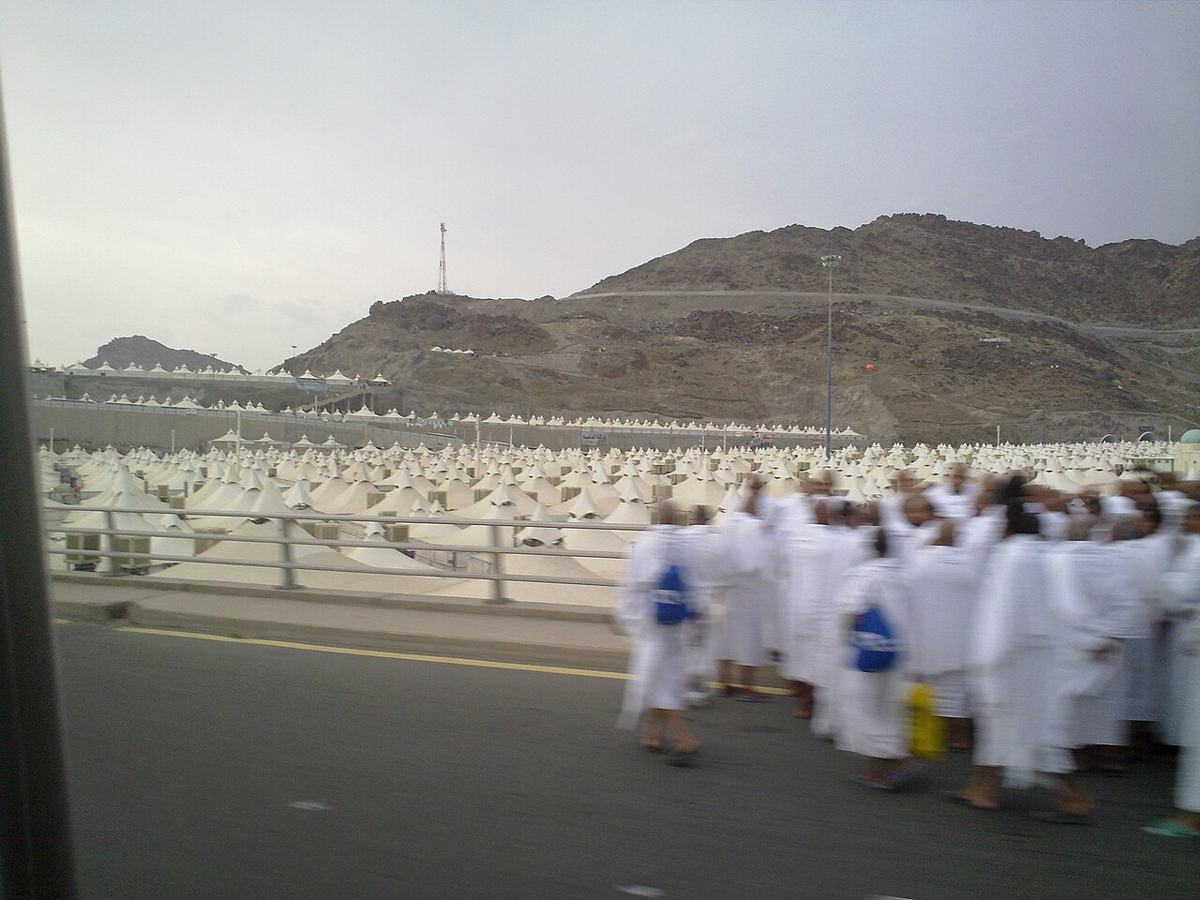
Mina is a narrow valley inside the Haram, about 7 km east of Masjid al-Haram, between Makkah and Muzdalifah. For most of the year it is empty; during Hajj it becomes a city of fireproof, air-conditioned tents where pilgrims stay for up to four nights. At its western end, towards Makkah, stand the three Jamarat, pillars, now long walls, marking the places where, according to tradition, Ibrahim drove away Iblis.
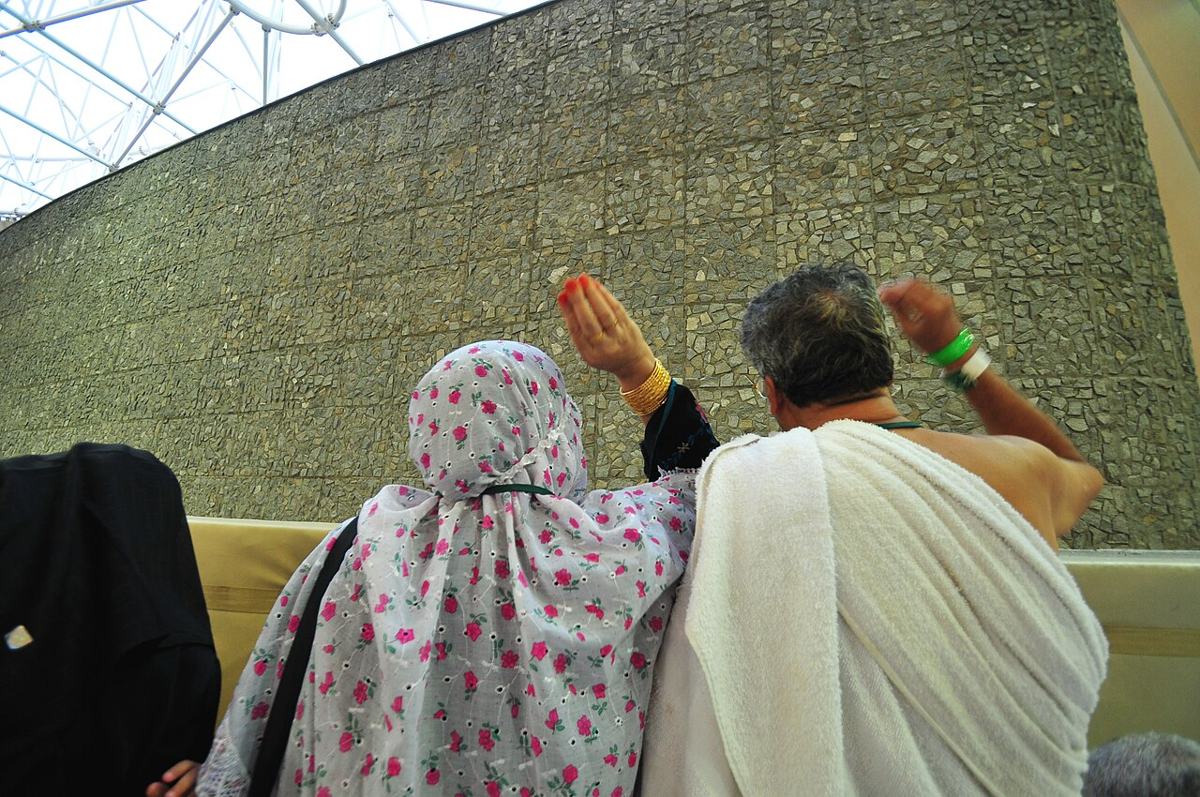
Today the Jamarat stand inside a multi-storey building with entrances on several levels and one-way routes, so that hundreds of thousands of pilgrims can stone every hour.
| Jamrah | Also called | Distance |
|---|---|---|
| Sughra: the small | al-Ula, the first | nearest Masjid al-Khayf and the camps |
| Wusta: the middle | about 200 m from the Sughra | |
| Kubra: the large | 'Aqabah | about 247 m from the Wusta, towards Makkah |
The 10th: stoning Jamrah al-'Aqabah
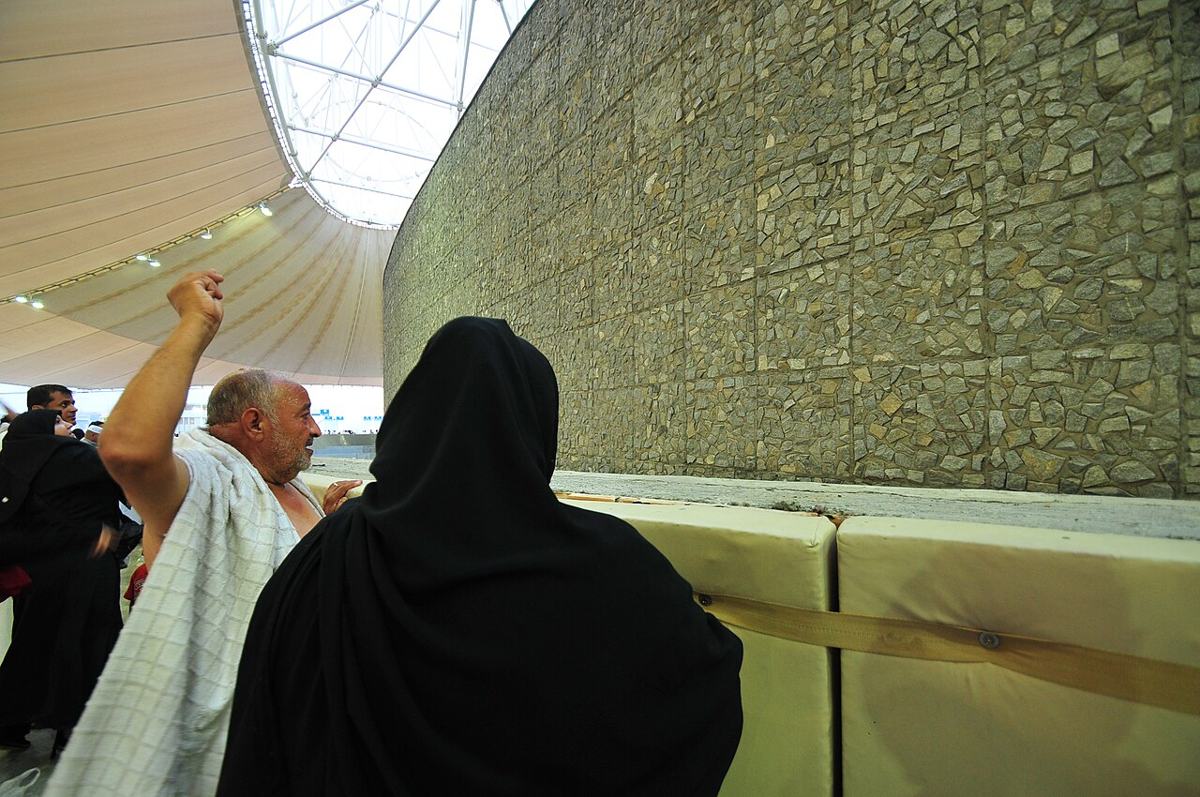
On the Day of Sacrifice, you stone only Jamrah al-Kubra ('Aqabah), with seven pebbles. This is an obligation of Hajj. You are still in ihram when you do it.
| Time | |
|---|---|
| Best | Morning (dhuha) of the 10th, after sunrise |
| Permitted | From after midnight on the night of the 10th until sunset on the 13th |
Stop the talbiah with your first pebble, and begin the takbir instead.
بِسْمِ اللّٰهِ، اللّٰهُ أَكْبَرُ
Reading Bismillāh, Allāhu akbar.
Meaning In the name of Allah. Allah is the Greatest.
After the seven pebbles at 'Aqabah on the 10th, you do not stop for du'a, move on.
The conditions of a valid throw
The same eight conditions apply on every day:
- The time for stoning has begun.
- You throw stone, a pebble or any kind of rock. Not shoes, wood, metal or plastic.
- You throw with your hand.
- It is a real throw, not placing or dropping the pebble.
- One pebble at a time: seven separate throws. Throwing seven together counts as one.
- You are sure the pebble lands in the basin (marma) around the pillar. It does not have to hit the pillar itself.
- Your aim is the Jamrah, not something else.
- Seven pebbles, with certainty. If unsure, throw another.
On the Days of Tashriq one more condition is added: the order of the three Jamarat, Sughra, then Wusta, then Kubra.
The rest of the 10th
After stoning 'Aqabah, the remaining acts of the day, in the Sunnah order, are:
- The sacrifice. Tamattu' and Qiran pilgrims owe a dam; most official Hajj bodies slaughter it for you through the Saudi sacrifice programme, and you will be told when it has been done. A voluntary qurban may also be offered.
- Shave or cut your hair: and with stoning plus hair, you reach the first tahallul. Change into normal clothes.
- Tawaf al-Ifadah (and sa'i if not yet done) in Makkah, on the 10th if your group arranges it, or later. With it you reach the second tahallul (Chapter 10).
The nights in Mina (mabit)
Spending the nights of the 11th, 12th and 13th in Mina is an obligation of Hajj.
How long you must stay
The course explains two opinions:
- The relied-upon view (al-asah): you must be in Mina for more than half of the night (from Maghrib to Fajr). This is the official practice of Tabung Haji.
- A weaker view: it is enough to be in Mina when Fajr comes in (when the azan of Subh is called). This is not encouraged, and only used in particular cases of need.
Two nights or three
| Choice | Nights in Mina | Stoning days |
|---|---|---|
| Nafar Awwal: the first departure | Nights of the 11th and 12th | 11th and 12th |
| Nafar Thani: the second departure | Nights of the 11th, 12th and 13th | 11th, 12th and 13th |
Both are permitted: "Whoever hurries on in two days, there is no sin on him; and whoever delays, there is no sin on him" (Surah al-Baqarah 2:203).
Who is excused from the nights in Mina
The same excuses as at Muzdalifah: fear for your life or property; caring for a sick person; searching for a lost companion or worker; illness that makes it very hard to stay; or being forced to leave. Leaving the mabit without excuse is sinful and a dam is due.
The Days of Tashriq: stoning all three Jamarat
On each of the 11th, 12th (and 13th, if you stay):
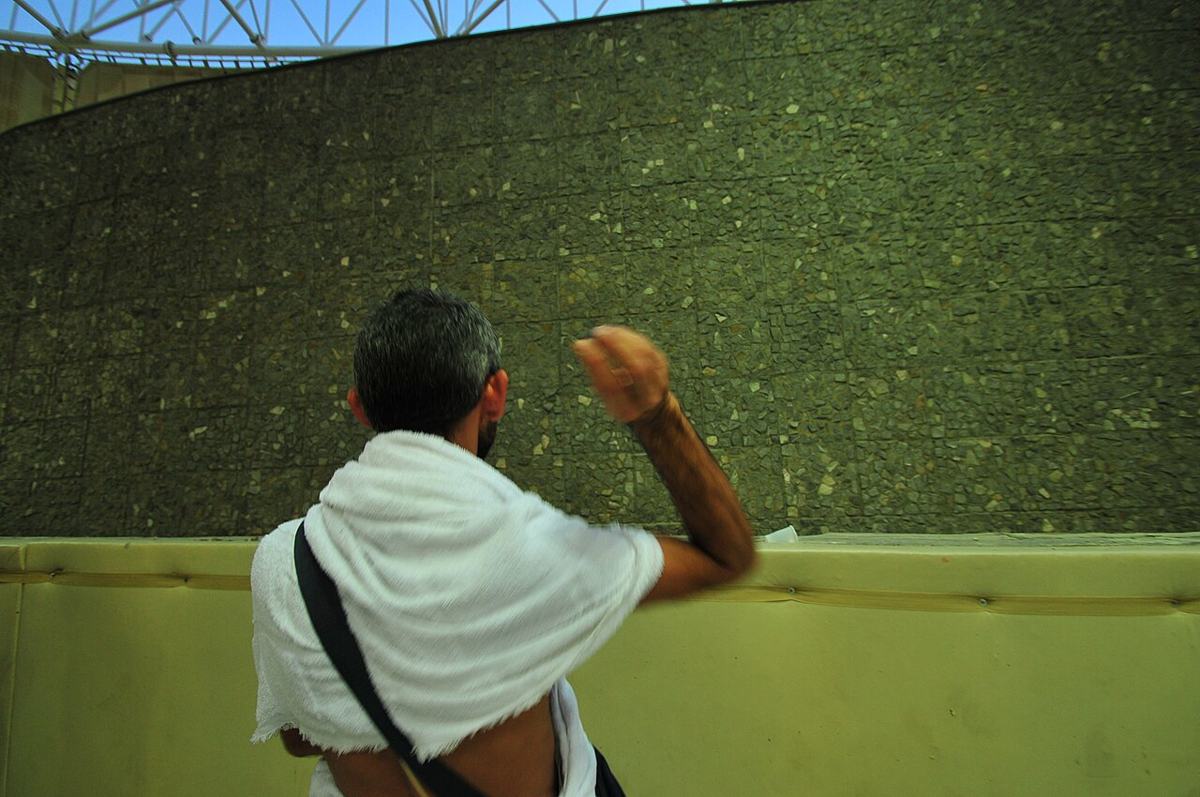
- Go to the Jamrah Sughra first. Throw seven pebbles, one by one, with Bismillah, Allahu akbar.
- Step aside, out of the crowd, face the qiblah and make a long du'a.
- Go to the Jamrah Wusta. Throw seven.
- Step aside, face the qiblah and make du'a again.
- Go to the Jamrah Kubra ('Aqabah). Throw seven. Do not stop for du'a, leave.
The time
| Time | |
|---|---|
| Best | After the sun passes its zenith (zawal, Zuhr time) on that day |
| Permitted, according to the course | From after dawn of that day until sunset on the 13th, following the view of Imam al-Rafi'i, al-Asnawi and others |
Leaving early: Nafar Awwal
To leave Mina on the 12th without staying the night of the 13th and stoning on the 13th, all of these conditions must be met:
- You spent the nights of the 11th and 12th in Mina.
- You completed the stoning of all three Jamarat on the 11th and 12th.
- You intended Nafar Awwal, after stoning the Kubra on the 12th, but before crossing the boundary of Mina.
- You leave Mina before sunset on the 12th.
- You do not intend to return to Mina.
If the sun sets while you are still in Mina, you must stay the night of the 13th and stone on the 13th.
Stoning on behalf of others (wakil)
A pilgrim who cannot stone because of illness, old age, pregnancy or other genuine incapacity may appoint someone to stone for them. The course sets out these rules:
- Check first with the medical officer and your group's religious guide that you really qualify.
- The person stoning for you must have permission. It is best that they stone for themselves first, all three Jamarat, and then for you. Stoning for someone else is not valid before completing your own stoning for that day.
- The proxy may only stone for you once the time for that day's stoning has begun, unless you are a patient being treated elsewhere and cannot be reached, in which case early arrangements are allowed.
- You may appoint a proxy by telephone or text message, as long as both sides clearly understand what is being asked.
Safety in Mina
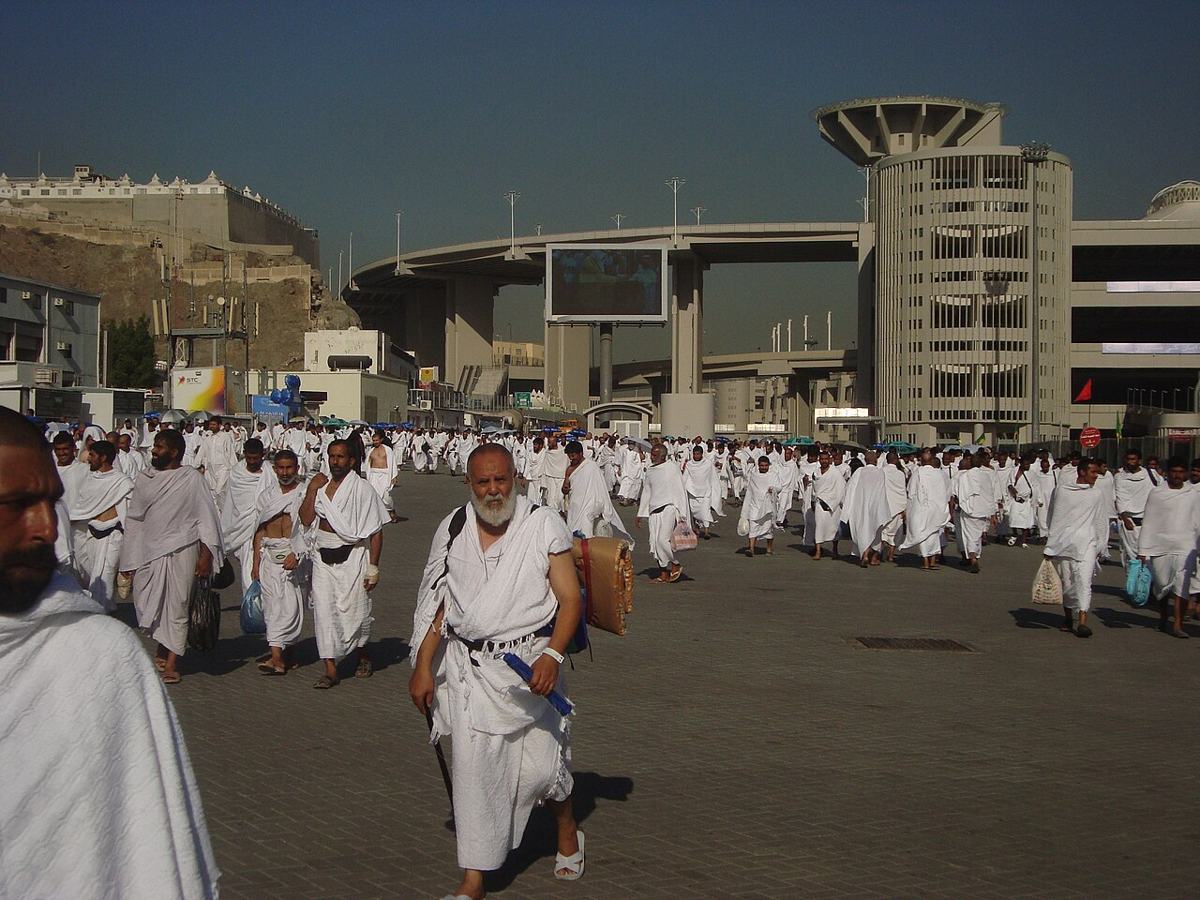
- Be patient, do not push, and follow instructions: as the course puts it for Mina. Serious crowd accidents in the past have happened near the Jamarat.
- Go at your assigned time and use the assigned route and floor.
- Do not carry large bags or umbrellas into the Jamarat. Leave valuables in your tent.
- Walk with the flow. If someone falls, stop and help them up, and shout to those behind to slow down.
- If you are separated from your group, go to the nearest guide post or security officer and show your card.
- The walk from many camps to the Jamarat and back can be several kilometres each day. Rest, drink and protect your feet.