Chapter 2 / 19
Hajj at a Glance: The Whole Journey, Day by Day
Before learning each rite in detail, see the whole journey in one place: where you go, on which day, and what you do there, from leaving home to returning as a haji.
The journey in one picture
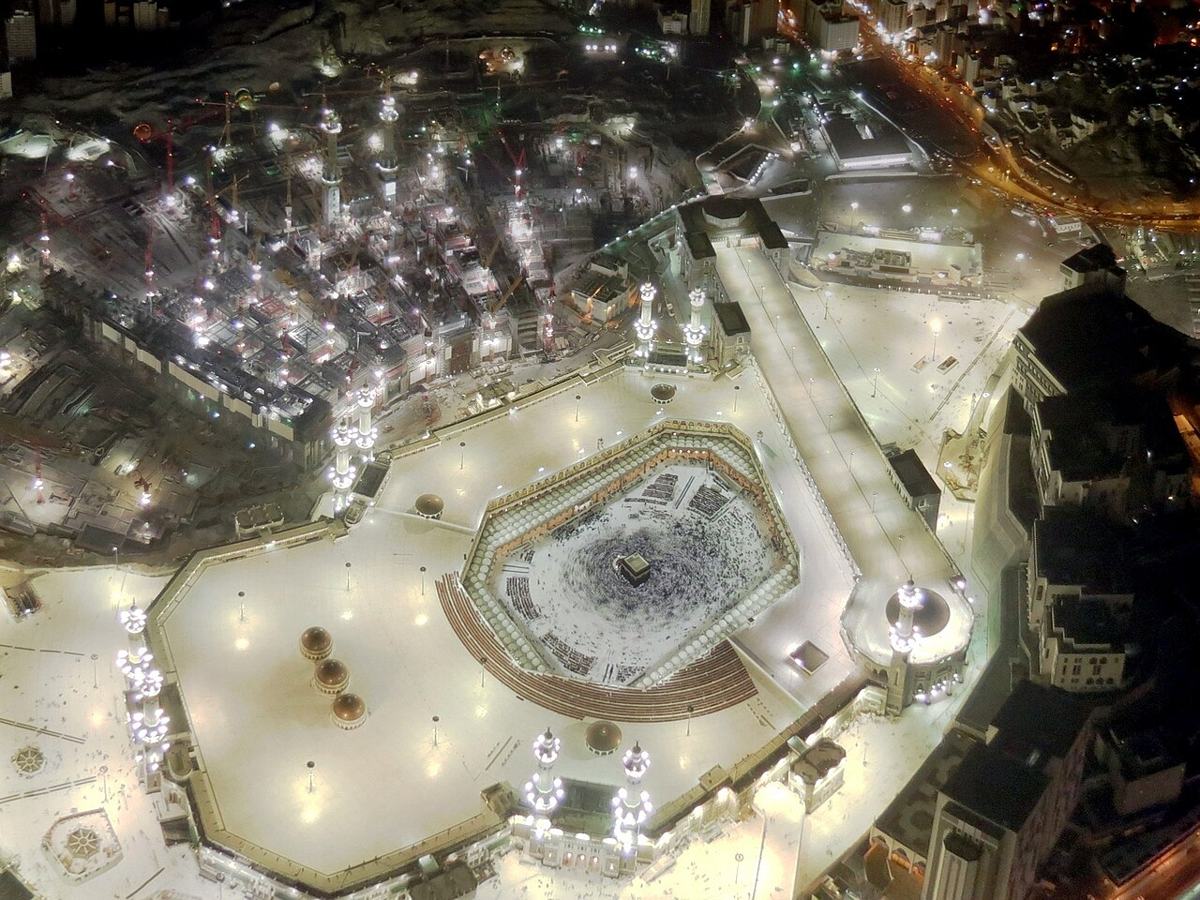
Hajj takes place over five or six days, from the 8th to the 12th or 13th of Dhul Hijjah, the twelfth month of the Islamic calendar. Most pilgrims, however, spend between four and seven weeks away from home, because flights arrive in Saudi Arabia over several weeks before Hajj and leave over several weeks after it.
A Malaysian pilgrim's journey usually follows one of two routes:
- Makkah first: fly to Jeddah, put on ihram on the plane before passing the miqat of Qarn al-Manazil, go straight to Makkah and perform Umrah. Spend the weeks before Hajj in Makkah, perform Hajj, then go to Madinah for around eight days before flying home from Madinah.
- Madinah first: fly to Madinah and spend about eight days there, then put on ihram at the miqat of Dhul Hulayfah (Bir Ali) on the way to Makkah. After Hajj, fly home from Jeddah.

The days of Hajj
Before the 8th: Umrah and waiting in Makkah
Most Malaysian pilgrims perform Haji Tamattu' (see Chapter 5): they arrive in ihram for Umrah, complete it, and come out of ihram. Then they live normally in Makkah, praying in Masjid al-Haram, performing voluntary tawaf, reading the Qur'an, and resting, until the days of Hajj. Use this time well, but save your strength: the hardest days are still ahead.
8th Dhul Hijjah, Yawm al-Tarwiyah
- Bathe, put on ihram clothing and make the intention (niyyah) for Hajj at your building in Makkah (pilgrims doing Ifrad or Qiran are already in ihram).
- Begin the talbiah and keep repeating it.
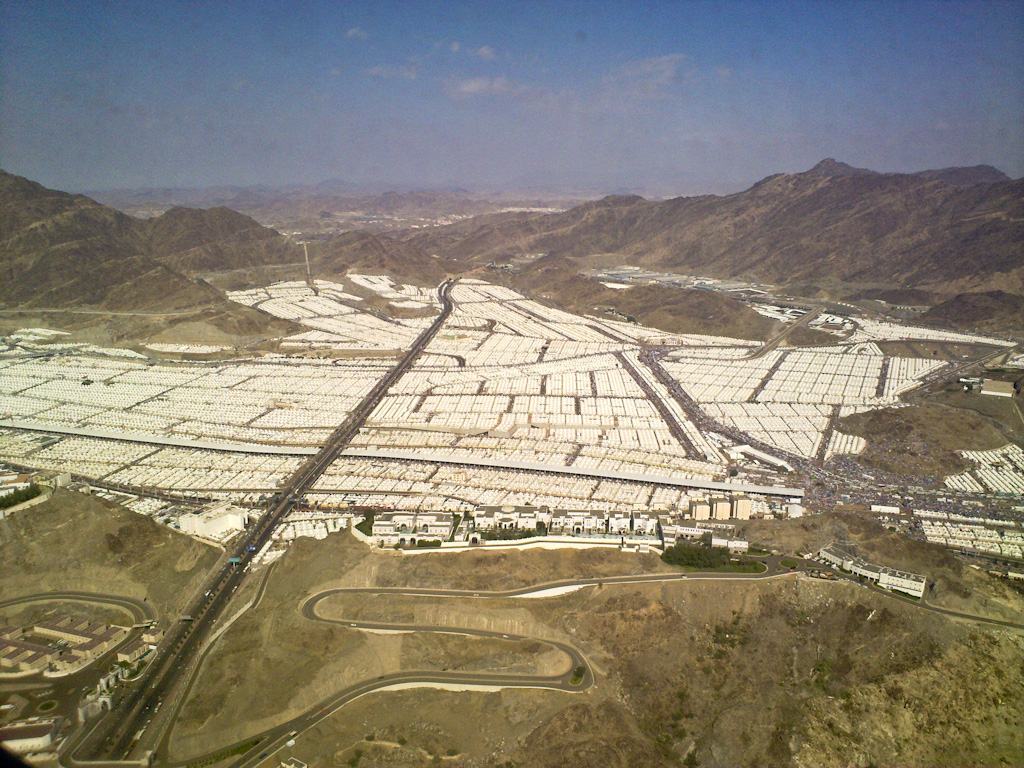
- Travel out of Makkah. The Sunnah is to go to Mina and spend the night there, then go to Arafah on the morning of the 9th. Many national Hajj missions, including Tabung Haji, take pilgrims directly to Arafah on the 8th to avoid the crush of millions of people moving on one morning. Both are valid; follow your group.
9th Dhul Hijjah, the Day of Arafah
- From midday (when the sun passes its zenith, zawal), you are performing wuquf, being present in Arafah. This is the most important pillar of Hajj: "Hajj is Arafah".
- Pray Zuhr and Asr together at Zuhr time (jamak taqdim), in full, four rak'ahs each, not shortened, as the course teaches for Arafah and Mina.
- Spend the afternoon in du'a, dhikr, istighfar, Qur'an and talbiah until sunset.
- After sunset, leave Arafah for Muzdalifah.
Night of the 10th, Muzdalifah
- Arrive in Muzdalifah. Pray Maghrib and Isha together, as your group's religious guide leads.
- Be present in Muzdalifah for at least a moment after midnight, this is the obligatory mabit.
- Collect pebbles for the stoning.
- Move on to Mina, before or after Fajr according to your group's schedule.
10th Dhul Hijjah, the Day of Sacrifice (Eid al-Adha)
This is the busiest day. Four acts can be done today, and the order below is the Sunnah order:
- Stone Jamrah al-'Aqabah (the large Jamrah) with seven pebbles.
- Slaughter the sacrificial animal (hadyu or dam), if you owe one, your Hajj body usually arranges this for you.
- Shave or cut your hair.
- Tawaf al-Ifadah (the pillar tawaf of Hajj) in Makkah, followed by sa'i if you have not already done it.
After any two of stoning, cutting the hair and tawaf (with its sa'i), you reach the first tahallul and may change into normal clothes. After all three, you reach the second tahallul and are completely out of ihram. See Chapter 10.
11th, 12th and 13th, the Days of Tashriq in Mina
- Spend the nights in Mina, more than half of each night, according to the view followed by Tabung Haji.
- Each day stone all three Jamarat in order, the small (Sughra), the middle (Wusta) and the large (Kubra or 'Aqabah), seven pebbles at each. The best time is after midday (zawal); follow the time assigned to your group.
- You may leave Mina on the 12th, before sunset, after stoning (Nafar Awwal), or stay the night of the 13th and stone on the 13th too (Nafar Thani).
After Hajj
- If you have not yet performed Tawaf al-Ifadah and sa'i, do so as soon as you can.
- Rest, pray in Masjid al-Haram, and perform voluntary Umrah or tawaf if you are able.
- Before leaving Makkah for the last time, perform Tawaf al-Wada', the farewell tawaf.
- Visit Madinah, pray in the Prophet's Mosque and send salam to the Prophet ﷺ.
The difference between a pillar, an obligation and a sunnah
You will see these three words in every chapter. They decide what happens if something is missed:
| Type | If you miss it… |
|---|---|
| Rukun (pillar) | Your Hajj is not complete and you remain in ihram until it is done. Nothing can replace it, not even a dam. Missing the wuquf at Arafah means you have missed Hajj that year. |
| Wajib (obligation) | Your Hajj is still valid, but you must pay a dam (penalty), and you are sinful if you left it deliberately without a valid excuse. |
| Sunat (sunnah) | No penalty, but you lose its reward. |
Six things to remember
- Hajj is Arafah. Whatever happens, be inside the boundaries of Arafah at some point between midday on the 9th and dawn on the 10th.
- Keep your ihram clean. From the moment you make your intention, the prohibitions apply. Learn them before you travel (Chapter 7).
- Count with certainty. Tawaf is seven rounds and sa'i seven laps. If you are unsure, take the lower number and add a round.
- Mind the clock. The days of Hajj run from sunset to sunset. The best time to stone on the Days of Tashriq is after midday; follow your group's assigned time.
- Stay with your group. Know your maktab (office) number, tent number and the name of your building. Carry your ID card and wristband at all times.
- Be patient. You will meet heat, crowds, queues and fatigue. Patience is part of the worship.