Chapter 6 / 19
Miqat and Ihram: Entering the Sacred State
Where and when you must enter ihram, how to prepare your body and clothing, what men and women wear, how to make the intention, and the talbiah you will repeat until the stoning on the 10th.
What ihram is
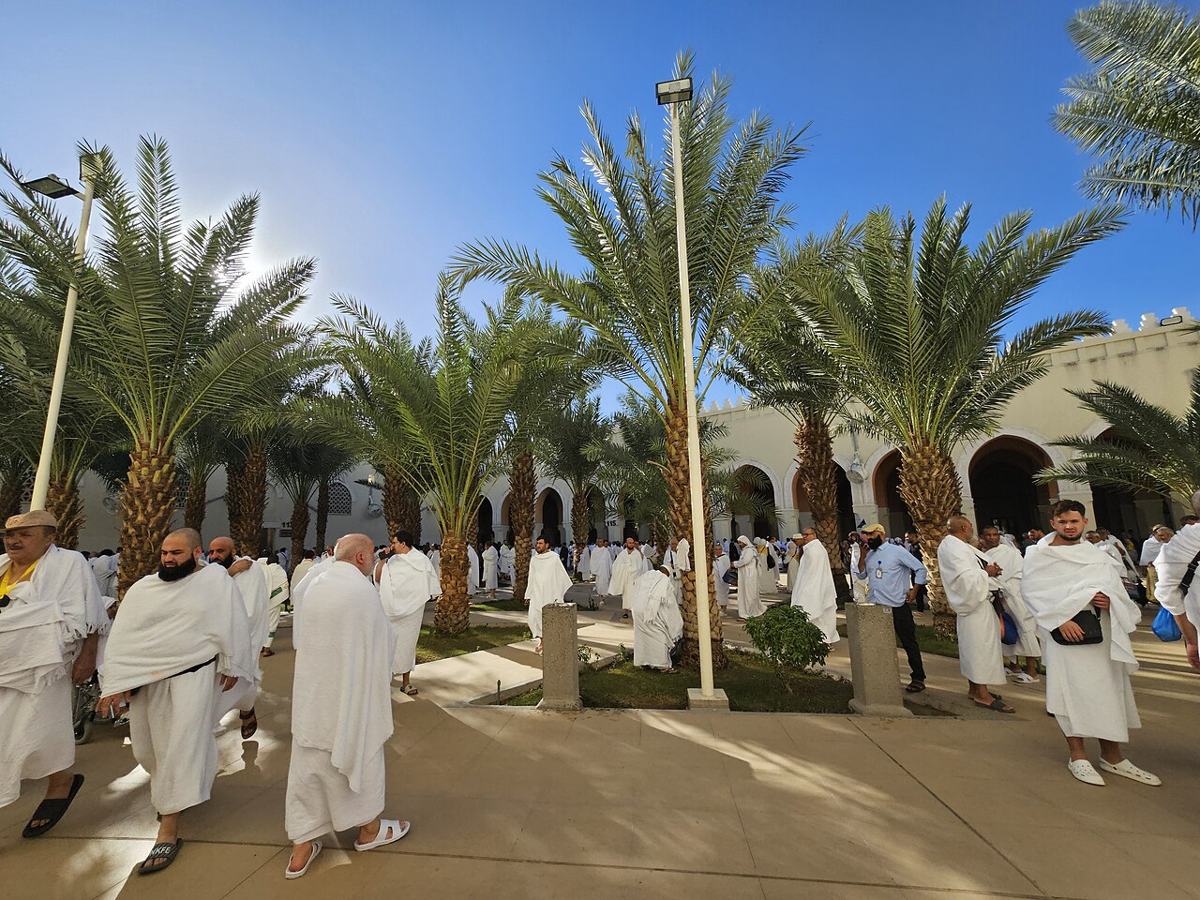
Ihram is the sacred state a pilgrim enters by making the intention (niat) for Hajj or Umrah. It is not the clothing: the white sheets are what a man wears in ihram, but the ihram itself begins with the intention in the heart. From that moment the prohibitions of ihram apply until the pilgrim comes out of it through tahallul.
The miqat: boundaries of time and place
Miqat means a boundary, of time or of place, for entering ihram.
The time boundary (miqat zamani)
- For Hajj: from the start of Shawwal until just before dawn on 10 Dhul Hijjah, the months of Hajj. An ihram for Hajj outside this period is not valid as Hajj; it becomes ihram for Umrah.
- For Umrah: any time of the year, except while you are still busy with the rites of Hajj.
The place boundaries (miqat makani)
Anyone coming from outside the Haram and intending Hajj or Umrah must enter ihram at or before the miqat on their route. The Prophet ﷺ set five:
| Miqat | For people coming from |
|---|---|
| Dhul Hulayfah (Bir Ali) | Madinah |
| Al-Juhfah (today pilgrims use the nearby town of Rabigh) | Syria, Egypt, North Africa |
| Qarn al-Manazil (al-Sayl al-Kabir) | Najd, and pilgrims flying in from Asia, including Malaysia |
| Yalamlam | Yemen |
| Dhat 'Irq | Iraq |
What this means for Malaysian pilgrims
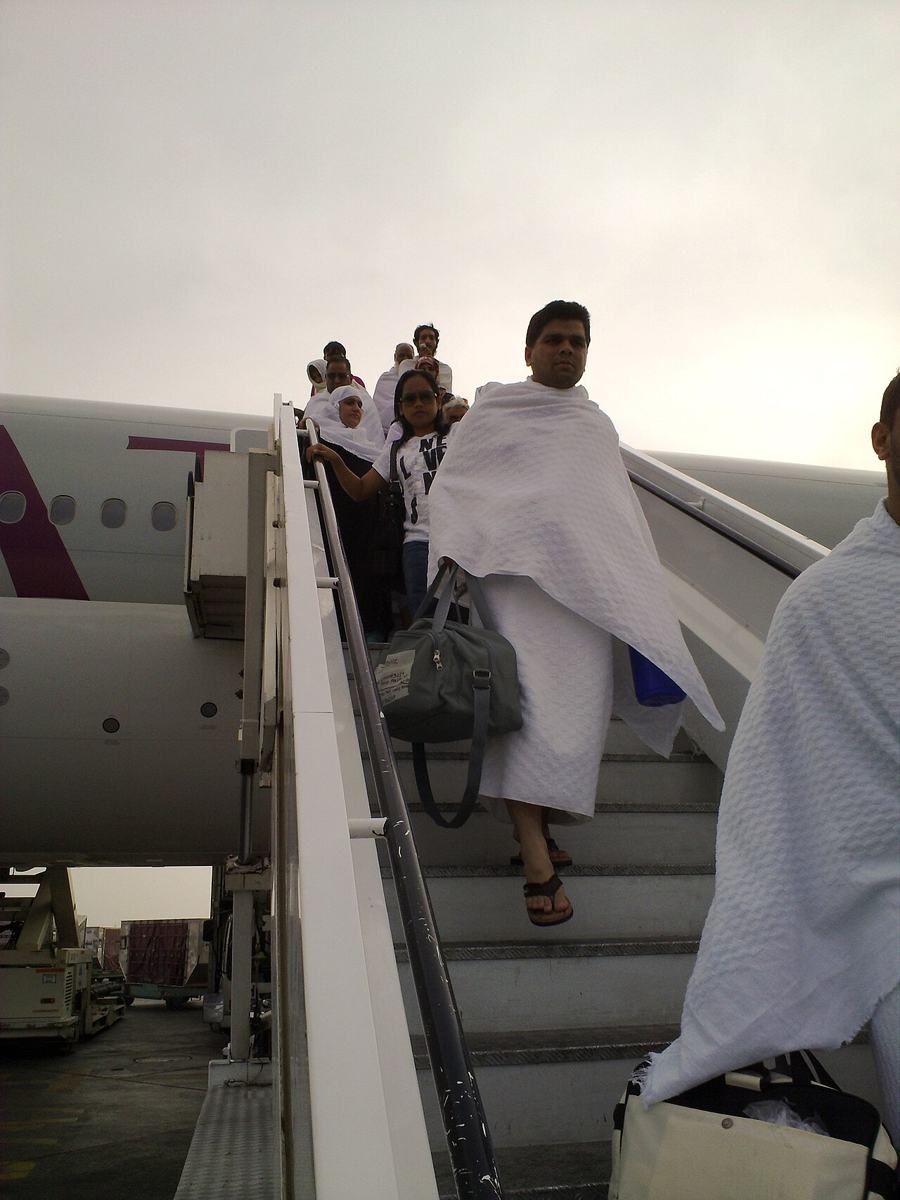
- Going straight to Makkah: your miqat is Qarn al-Manazil. Your flight passes over or near it before landing in Jeddah, so you enter ihram on the plane. Change into ihram clothing before boarding (at home, at the Tabung Haji complex in Kelana Jaya, Bayan Lepas or Kota Kinabalu, or at the airport) and make the intention when the crew announces that you are approaching the miqat. Jeddah is not a miqat for pilgrims flying from Malaysia.
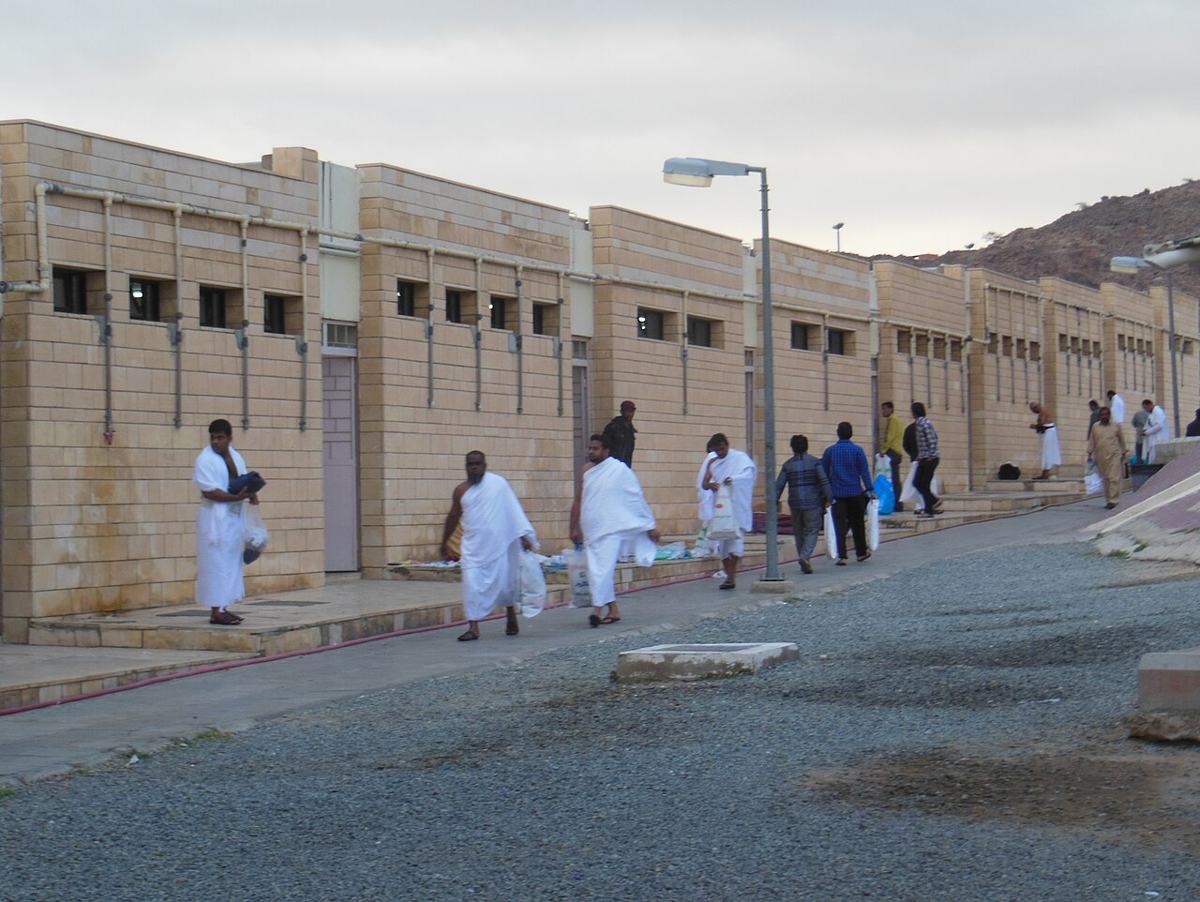
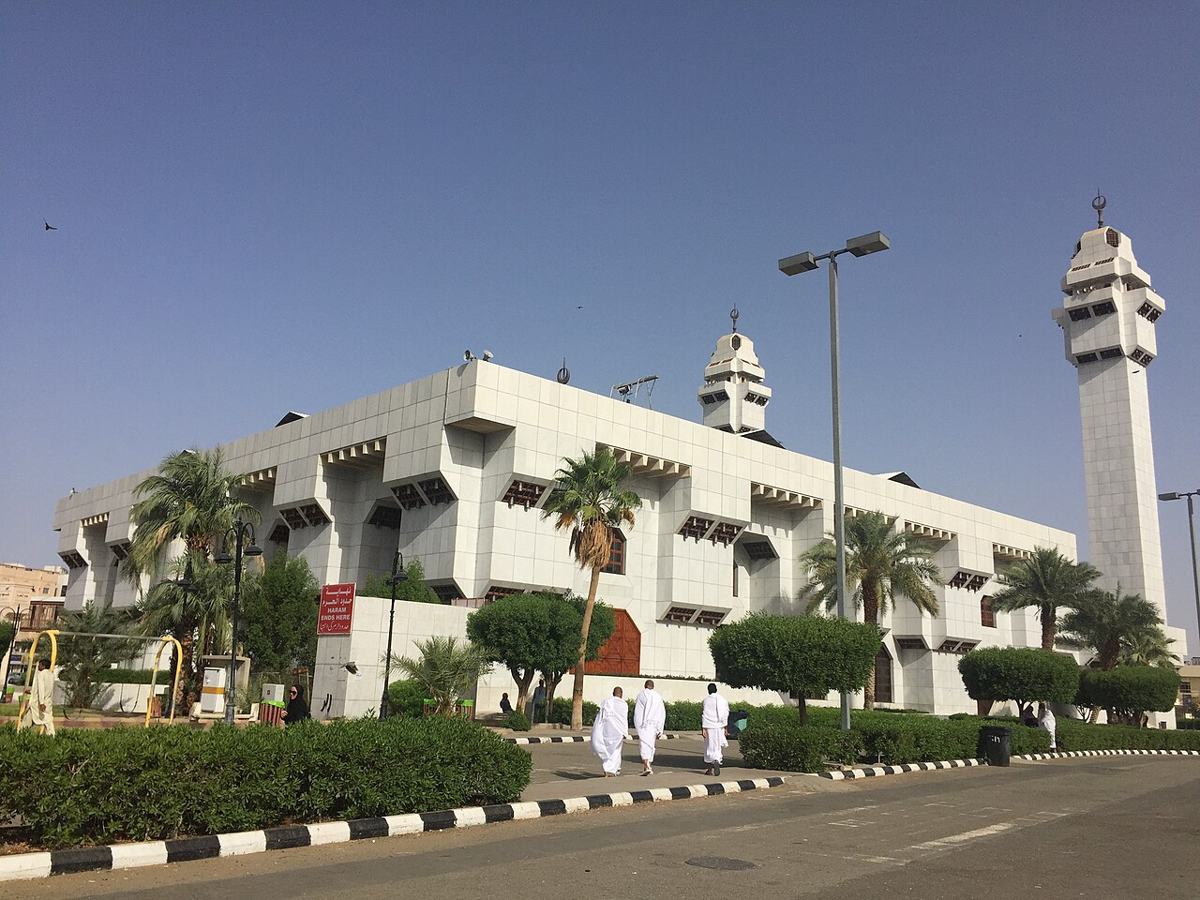
- Going to Makkah from Madinah: your miqat is Dhul Hulayfah (Bir Ali), about 10 km from Madinah. The bus stops at Masjid Miqat, where you can bathe, pray and make your intention.
If you are already in Makkah
Anyone already inside Makkah, for example a pilgrim who wants to perform a voluntary Umrah, must go out of the Haram to the nearest tanah halal (land outside the sacred boundary) to enter ihram for Umrah. The most common places are:
- Ji'ranah: about 22 km, north-east of Makkah, where the Prophet ﷺ entered ihram after the Battle of Hunayn.
- Tan'im: Masjid 'A'ishah (Masjid Tan'im), the nearest, about 5 km from Masjid al-Haram.
- Hudaybiyah: also called Shumaisi, about 29 km west of Makkah, on the road to Jeddah.
For Hajj, a person already in Makkah, including a Tamattu' pilgrim on 8 Dhul Hijjah, enters ihram from where they are, at their building.
Preparing for ihram: the sunnahs
Before the intention
- Cut your nails.
- Trim your beard, moustache and hair.
- Remove armpit and pubic hair.
- Take the ritual bath for ihram (mandi sunat ihram), even a woman who is menstruating should take it.
- Perform wudu.
- Apply perfume to your body: not to the ihram cloth.
- Oil your hair if you wish.
- Men put on two clean white sheets.
- Pray two rak'ahs of the sunnah prayer of ihram, if it is not a disliked time.
While making the intention
- Face the qiblah.
- Be in a state of wudu.
After the intention
- Recite the talbiah, make du'a, read the Qur'an and remember Allah.
- Avoid idle chatter (lagha).
Clothing in ihram
For men
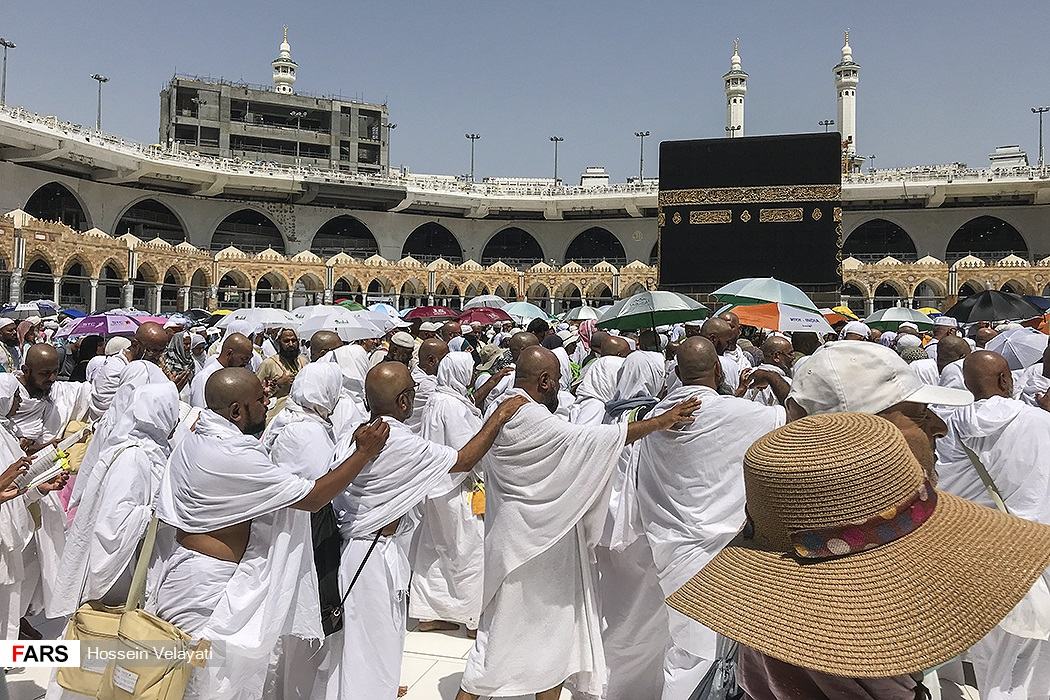
- Two unstitched sheets: one wrapped around the waist covering from the navel to below the knee (izar), the other over the shoulders (rida'). White is sunnah.
- No stitched or fitted garments that surround the body or a limb: no shirts, trousers, underwear, socks or caps.
- The head must stay uncovered.
- Sandals or slippers that leave the toes and heel uncovered. As the course puts it, you should be able to see all five toes and the heel of each foot.
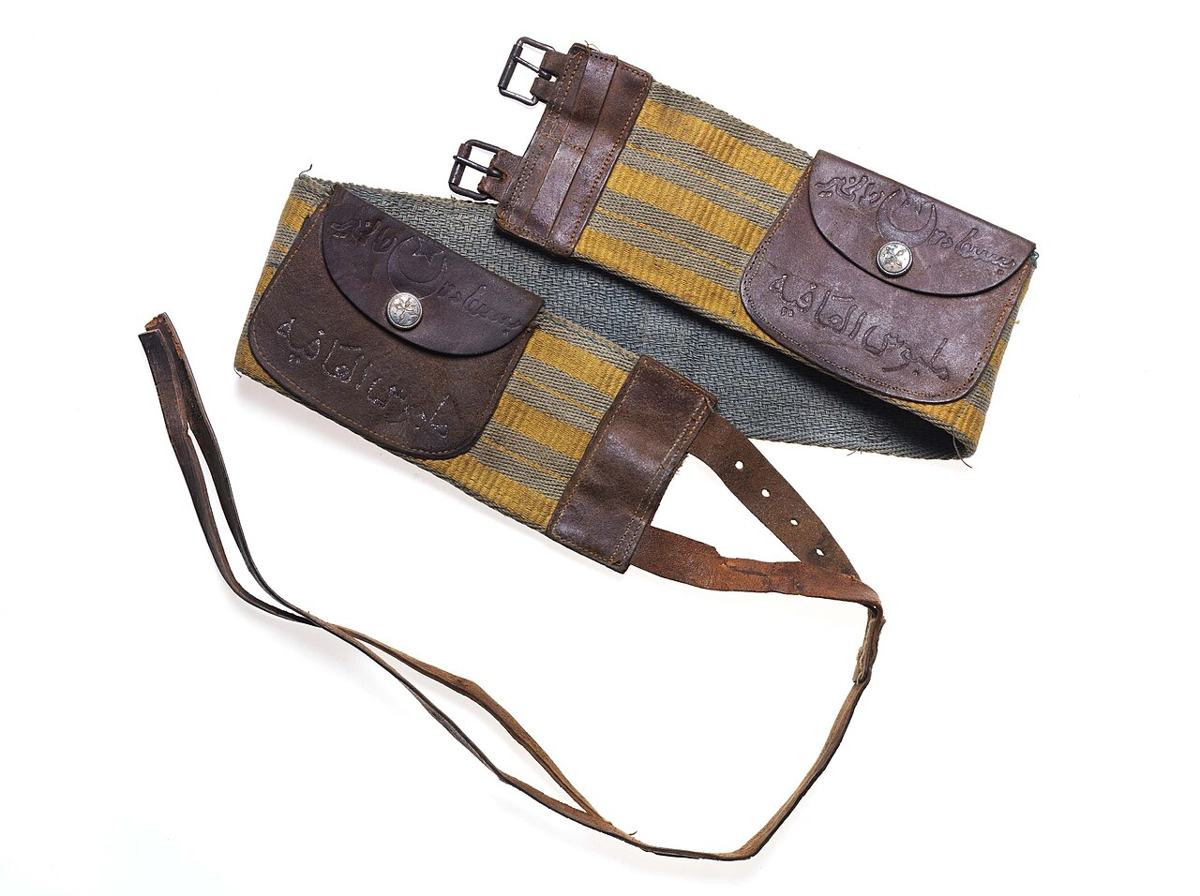
- A belt or money pouch to hold the izar and your documents, a watch, glasses, a ring and a bag hanging from the shoulder are allowed.
Uncovering the right shoulder (idtiba')
Idtiba' means passing the upper sheet under the right arm and over the left shoulder, leaving the right shoulder bare. It is sunnah only during a tawaf that is followed by sa'i, and during that sa'i, and you begin it only when you are about to start the tawaf. Do not do it at other times, not at the airport, not on the bus, and not in prayer, where it is disliked. Cover both shoulders again before praying the two rak'ahs after tawaf.
For women
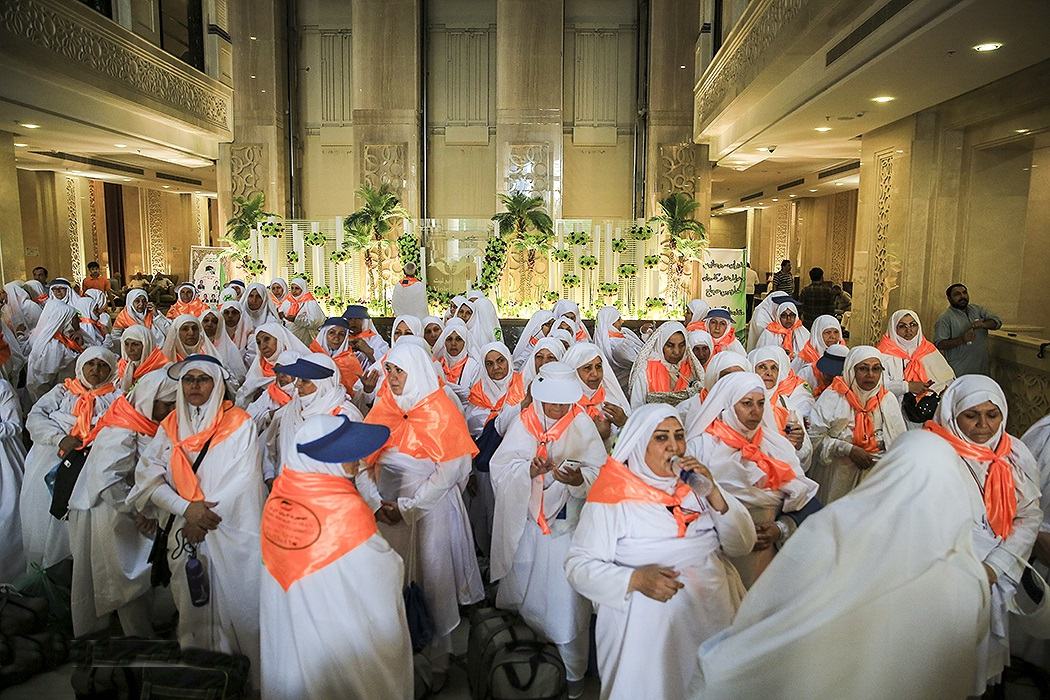
- No special garment. A woman wears ordinary clothing that covers her whole body except the face and the hands. Any colour is permitted; most choose white or plain colours.
- The face must be uncovered: no niqab or anything that sits on the face. A woman may lower a cloth that hangs away from the face if men are near.
- No gloves covering the fingers and palms.
- Wear socks: thick, long socks that do not show the colour of the skin are recommended.
- Avoid make-up without need: it invites attention and showing off.
- Make sure your telekung or headscarf is suitable, covers properly and is not see-through.
Making the intention
When everything is ready, at the miqat, or on the plane when the announcement is made:
- Face the qiblah if you can.
- Make the intention in your heart for Umrah (Tamattu'), Hajj (Ifrad) or both (Qiran). You may also say it.
- Begin the talbiah straight away.
نَوَيْتُ الْعُمْرَةَ وَأَحْرَمْتُ بِهَا لِلّٰهِ تَعَالَى
Reading Nawaitul-ʿumrata wa aḥramtu bihā lillāhi taʿālā.
Meaning I intend to perform Umrah and I enter ihram for it, for the sake of Allah the Most High.
نَوَيْتُ الْحَجَّ وَأَحْرَمْتُ بِهِ لِلّٰهِ تَعَالَى
Reading Nawaitul-ḥajja wa aḥramtu bihī lillāhi taʿālā.
Meaning I intend to perform Hajj and I enter ihram for it, for the sake of Allah the Most High.
The talbiah
The talbiah is the pilgrim's answer to Allah's call. Men say it aloud; women say it so that only they can hear. Repeat it often, when you set out, when you climb or descend, when you meet others, after prayers, from the moment of your intention:
- for Umrah: until you begin tawaf;
- for Hajj: until you throw your first pebble at Jamrah al-'Aqabah on the 10th.
لَبَّيْكَ اللّٰهُمَّ لَبَّيْكَ، لَبَّيْكَ لَا شَرِيكَ لَكَ لَبَّيْكَ، إِنَّ الْحَمْدَ وَالنِّعْمَةَ لَكَ وَالْمُلْكَ، لَا شَرِيكَ لَكَ
Reading Labbaik Allāhumma labbaik, labbaika lā sharīka laka labbaik, innal-ḥamda wan-niʿmata laka wal-mulk, lā sharīka lak.
Meaning Here I am, O Allah, here I am. Here I am, You have no partner, here I am. All praise, all blessings and all sovereignty belong to You. You have no partner.
After the talbiah it is sunnah to send blessings on the Prophet ﷺ and ask Allah for His pleasure and Paradise, and for protection from the Fire.
Ihram step by step
- At home or at the departure complex: cut nails, trim hair, bathe, put on perfume (body only).
- Men: put on the two ihram sheets and suitable sandals. Women: put on modest clothing, socks and a proper headscarf, leaving the face and hands uncovered.
- Pray two rak'ahs if possible.
- At the miqat (or on the plane at the announcement): face the qiblah and make your intention.
- Recite the talbiah, and keep it up throughout the journey.
- From now on, observe every prohibition of ihram (Chapter 7).