Chapter 11 / 19
The 8th and 9th: Tarwiyah and the Wuquf at Arafah
"Hajj is Arafah." How Tamattu' pilgrims enter ihram for Hajj on the 8th, the move out to Arafah, the time and conditions of wuquf, what to do on the most important afternoon of your life, and the superstitions to ignore.
The 8th of Dhul Hijjah: Yawm al-Tarwiyah
The 8th is called the Day of Tarwiyah, traditionally the day pilgrims gathered water for the days ahead.
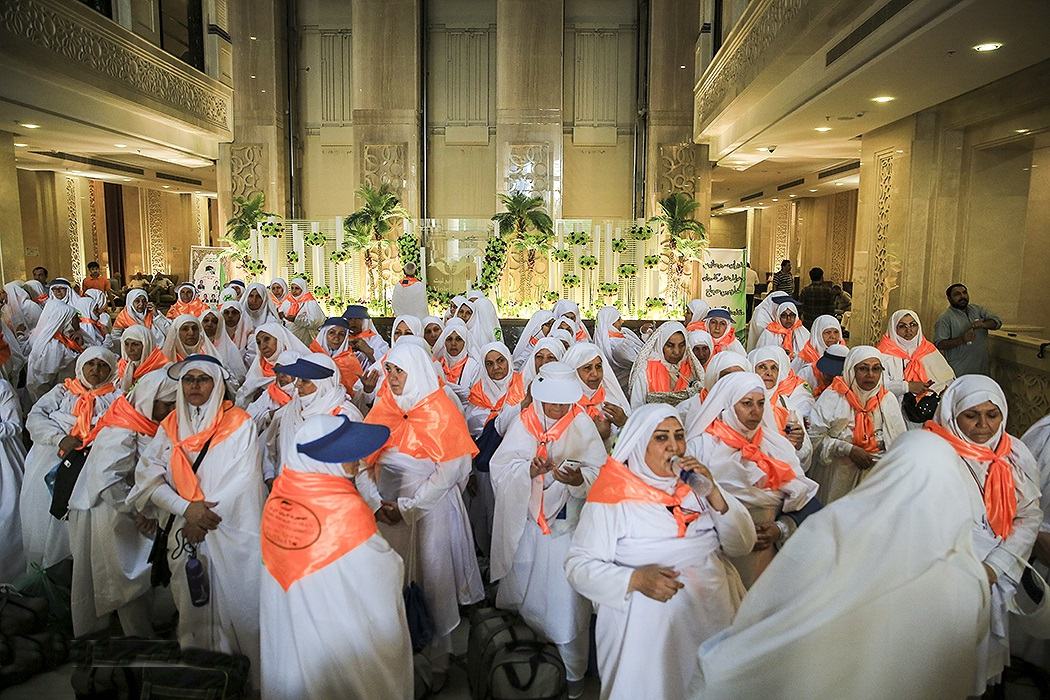
Entering ihram for Hajj (Tamattu' pilgrims)
- Cut your nails and trim your hair if needed, and bathe.
- Apply perfume to your body (not the cloth).
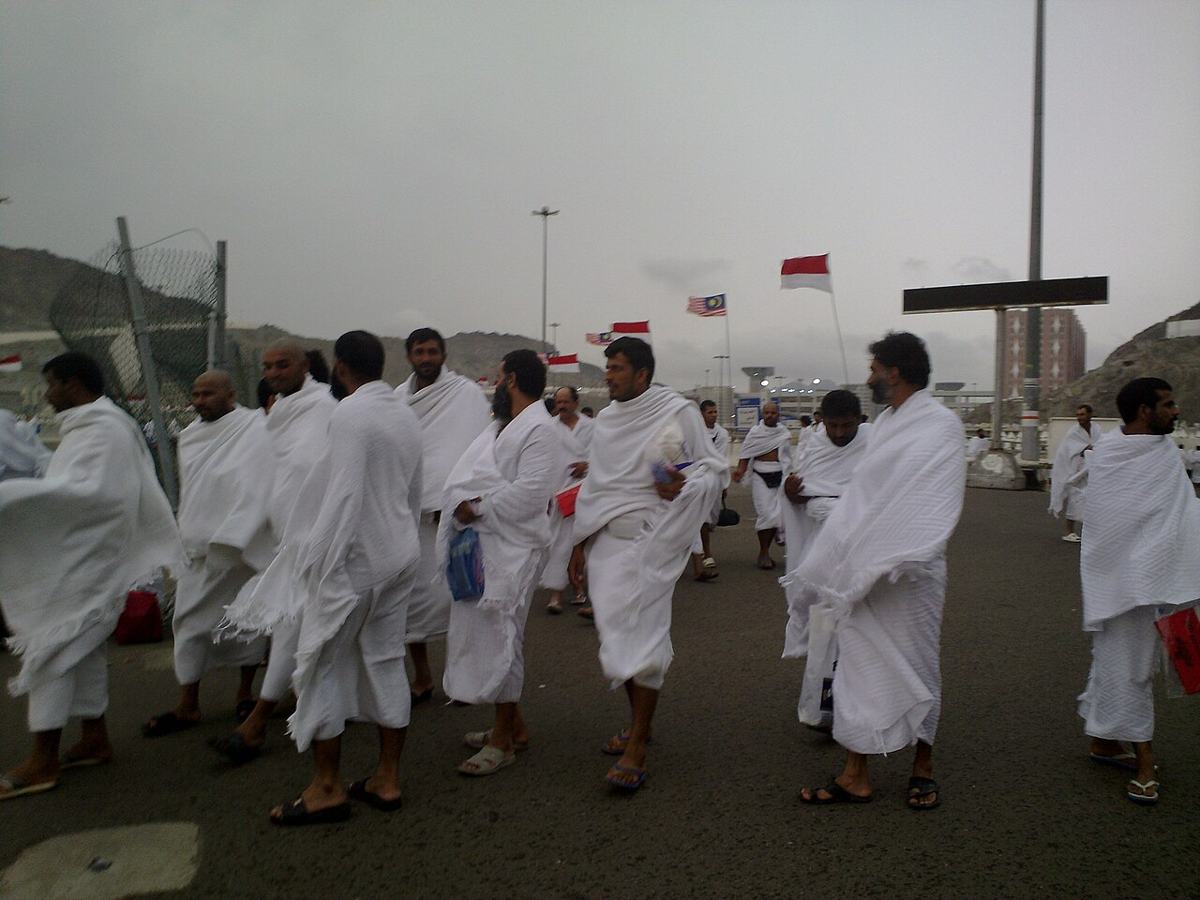
- Men put on the two ihram sheets; women put on modest clothing leaving the face and hands uncovered.
- Pray two rak'ahs if it is not a disliked time.
- At your building in Makkah, make the intention for Hajj.
- Begin the talbiah.
نَوَيْتُ الْحَجَّ وَأَحْرَمْتُ بِهِ لِلّٰهِ تَعَالَى
Reading Nawaitul-ḥajja wa aḥramtu bihī lillāhi taʿālā.
Meaning I intend to perform Hajj and I enter ihram for it, for the sake of Allah the Most High.
Ifrad and Qiran pilgrims are still in the ihram they entered at the miqat and do not repeat the intention.
Moving out of Makkah

The Sunnah is to go to Mina on the 8th, pray Zuhr, Asr, Maghrib, Isha and Fajr there, and move to Arafah after sunrise on the 9th. Because millions must move at once, many official groups, including Tabung Haji, take their pilgrims directly to Arafah on the 8th (often in the evening or night). Skipping Mina on the night of the 9th means missing a sunnah, but it carries no penalty. Follow your group's schedule and be ready at the time you are given.
What wuquf is
Wuquf is being present in the land of Arafah, even for a moment and in any state, standing, sitting, lying down, awake or asleep, at any time between the sun passing its zenith (zawal) on 9 Dhul Hijjah and just before dawn on 10 Dhul Hijjah.
It is the one pillar that cannot be made up. A pilgrim who misses it has missed Hajj that year: they must come out of ihram by performing the acts of Umrah, pay a dam, and perform Hajj in another year.
The best time
The best wuquf combines part of the day of the 9th with part of the night of the 10th, that is, staying in Arafah until after sunset before leaving. Leaving before sunset means missing the best time; do not leave early without need, and follow your group.
The conditions of a valid wuquf
- You have already entered ihram for Hajj.
- You are fit for worship during the time of wuquf, not insane, intoxicated, unconscious throughout or an apostate.
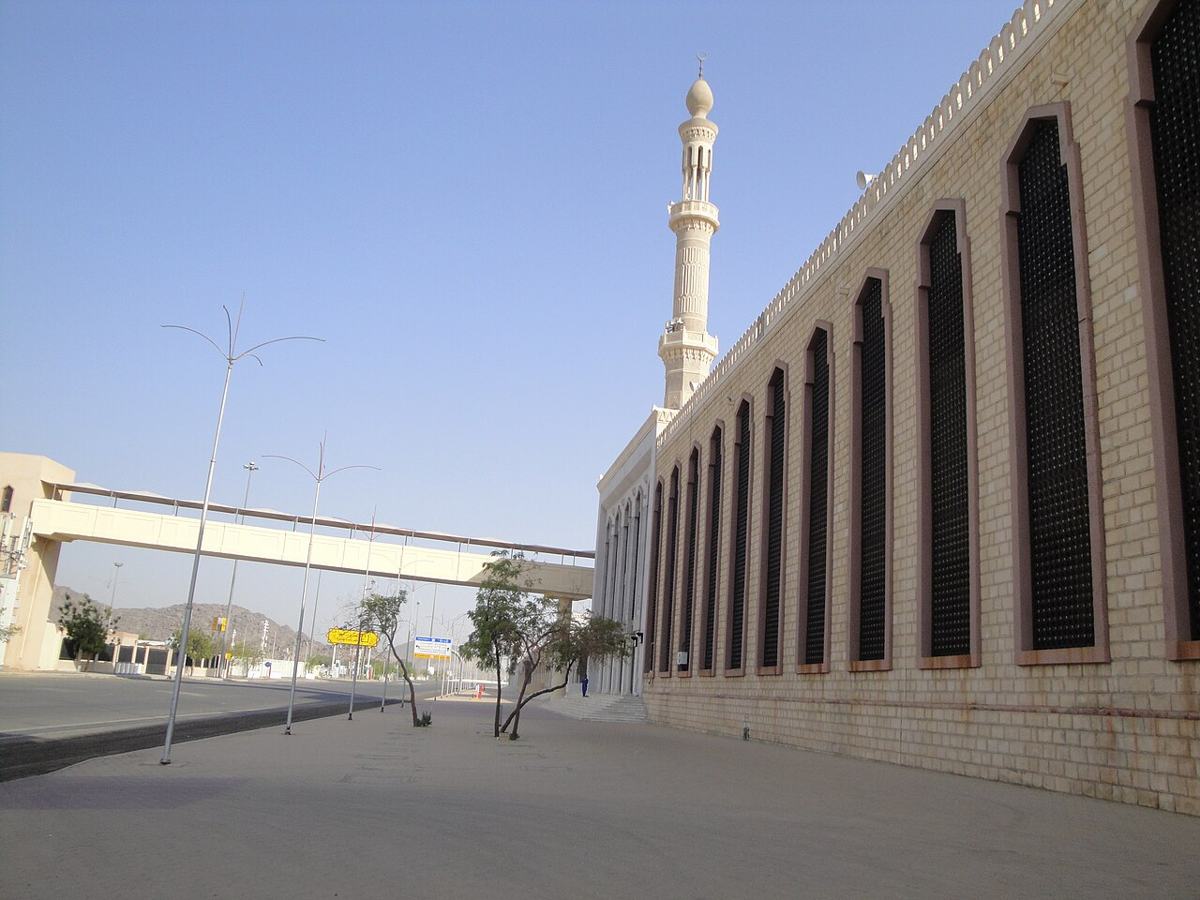
- You are within the boundaries of Arafah, even for a moment, within its time.
The day of Arafah, step by step
- Arrive and settle in your tent. Know your tent number, the toilets, water points and clinic.
- Rest in the morning if you arrived at night. Drink water regularly.
- At Zuhr time, after the sermon (broadcast on radio and screens), pray Zuhr and Asr together at the time of Zuhr (jamak taqdim), in congregation with your group, in full, four rak'ahs each, not shortened. The course teaches that at Arafah and Mina prayers may be combined because of the rites (nusuk) and hardship (masyaqqah), but are prayed in full (Chapter 16).
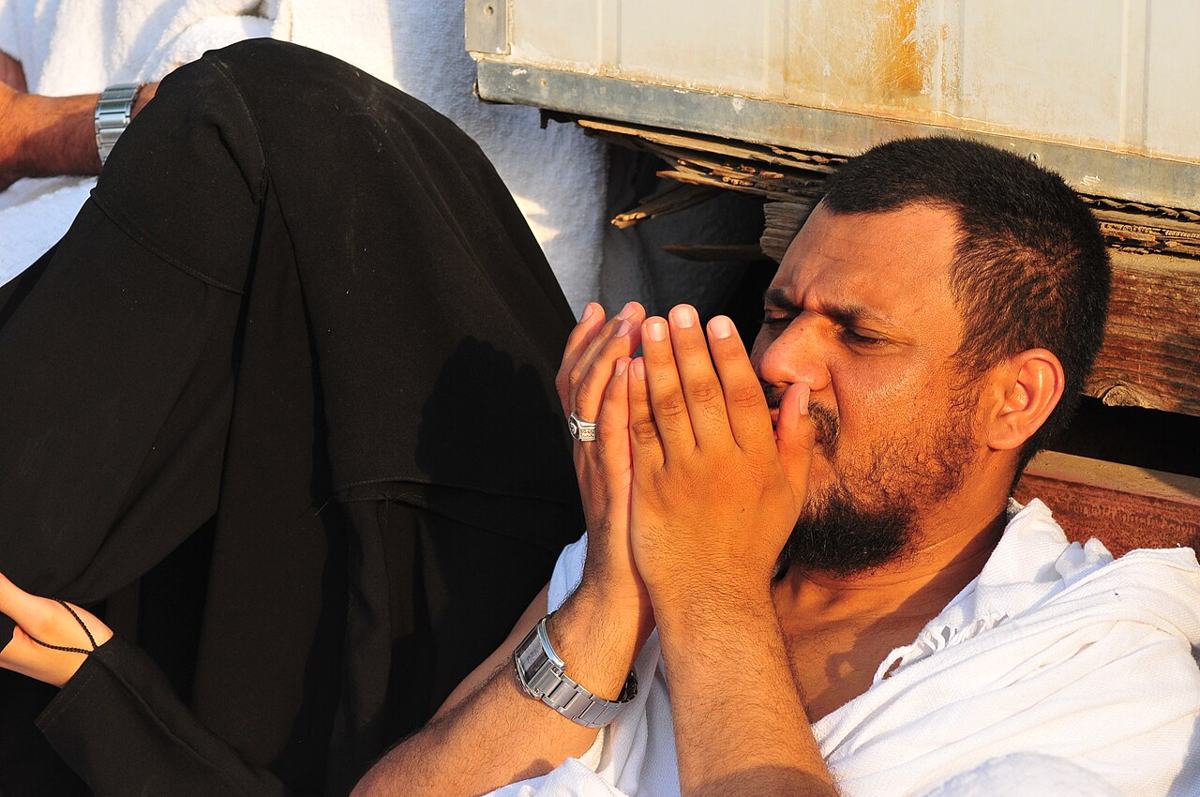
- From zawal until sunset, devote yourself to du'a. This is the time to pour out your heart. Face the qiblah, raise your hands, and ask Allah for everything you need in this world and the next, for yourself, your parents, your family, your teachers, the Muslims, and everyone who asked you to pray for them.
- Recite the talbiah, dhikr, istighfar, selawat and Qur'an.
- After sunset, leave calmly for Muzdalifah with your group. Maghrib and Isha are prayed together at Muzdalifah.
لَا إِلٰهَ إِلَّا اللّٰهُ وَحْدَهُ لَا شَرِيكَ لَهُ، لَهُ الْمُلْكُ وَلَهُ الْحَمْدُ، وَهُوَ عَلَى كُلِّ شَيْءٍ قَدِيرٌ
Reading Lā ilāha illallāhu waḥdahū lā sharīka lah, lahul-mulku wa lahul-ḥamd, wa huwa ʿalā kulli shai'in qadīr.
Meaning There is no god but Allah alone, without partner. His is the dominion and His is the praise, and He has power over all things.
"The best du'a is the du'a of the Day of Arafah, and the best thing that I and the prophets before me have said is…", reported by al-Tirmidhi
رَبَّنَا ظَلَمْنَا أَنفُسَنَا وَإِن لَّمْ تَغْفِرْ لَنَا وَتَرْحَمْنَا لَنَكُونَنَّ مِنَ الْخَاسِرِينَ
Reading Rabbanā ẓalamnā anfusanā wa in lam taghfir lanā wa tarḥamnā lanakūnanna minal-khāsirīn.
Meaning Our Lord, we have wronged ourselves. If You do not forgive us and have mercy on us, we will surely be among the losers.
The du'a of Adam and Hawa, Surah al-A'raf 7:23
The sunnahs of wuquf
- Praying in congregation.
- The talbiah.
- Du'a, selawat and istighfar.
- Dhikr.
- Reading the Qur'an.
- Voluntary prayer.
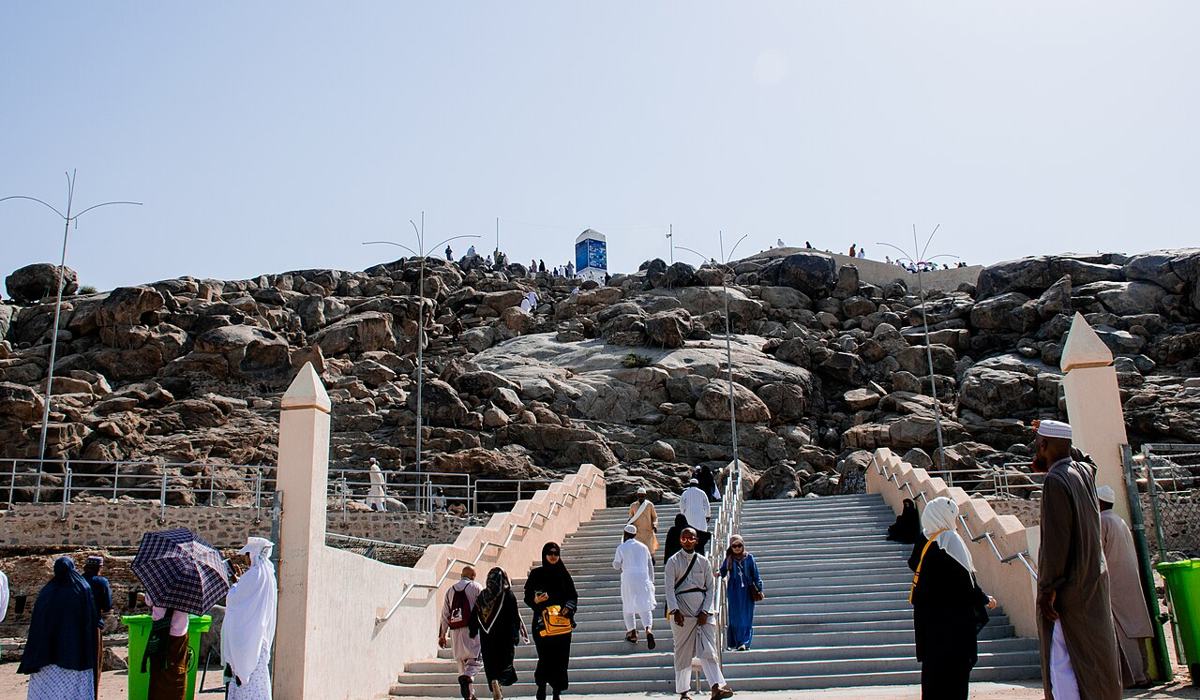
Jabal Rahmah
Jabal Rahmah: the "Mount of Mercy", is a small rocky hill in the east of Arafah. The Prophet ﷺ stood at its foot near the large rocks during his wuquf. Climbing it is not a rite of Hajj, and on the Day of Arafah it is dangerously crowded and hot. The whole of Arafah is a place of wuquf: your tent is as good as the hill.
Superstitions at Arafah
Ignore these practices, which have no basis in the religion:
| Practice | The false belief behind it |
|---|---|
| Drying rice in the sun at Arafah, then soaking it in Zamzam at home and giving it out | That it brightens the heart |
| Burying seven stones in Arafah | That they will testify for you and close the seven gates of Hell |
| Secretly cutting ropes at Arafah | That it stops children crying, brings customers or bigger catches |
| Taking sand from Arafah for a toddler's first steps | That the child will reach Arafah, become famous, healthy or brave |
Staying safe on the Day of Arafah
- Stay in the shade in the afternoon. Use an umbrella if you must walk.
- Drink water little and often, even if you do not feel thirsty, and eat something.
- Take your medicines on time.
- Do not walk off alone. If you get lost, go to the nearest Saudi security post or Malaysian (or your country's) mission tent and show your card.
- After sunset, the move to Muzdalifah can take hours. Be patient and stay with your group.