
Malay Traditional Dress for Muslim Men and Women: Baju Melayu, Baju Kurung and Modest Styles
Malay Muslims in Malaysia wear loose, modest clothing that suits the heat and Islamic guidelines. This guide shows the main outfits for men and women, with illustrations, and explains when to wear them and where to buy them.
Modest dress in Malay culture
- What modest means: In Islamic teaching, men cover from the navel to the knees and women cover everything except the face and hands. Clothes should be loose and not see-through.
- Malay dress fits this naturally: Traditional Malay outfits are loose, long-sleeved and layered, so they are comfortable in the heat and meet the guideline.
- Not only for Muslims: Anyone can wear them. Visitors who try Malay dress are usually warmly appreciated.
- Where it matters most: Mosques, religious events, Friday prayers and festivals such as Hari Raya. See the mosque visiting etiquette guide.
- About the pictures: The photos come from Wikimedia Commons under free licences, with credits under each picture. Real outfits vary by state, tailor and fashion, so use them as a guide.
Men: baju Melayu
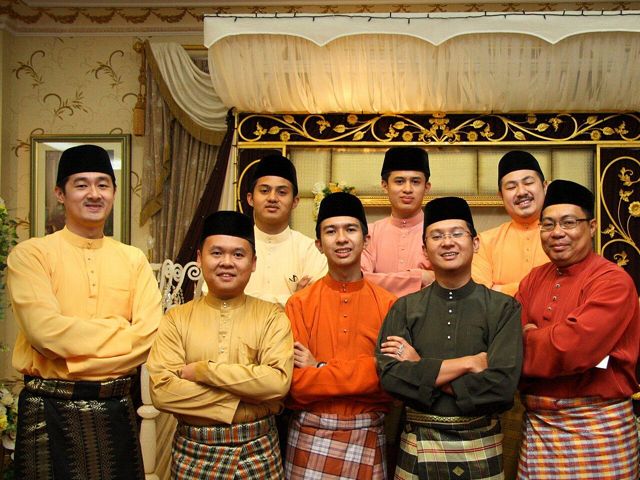
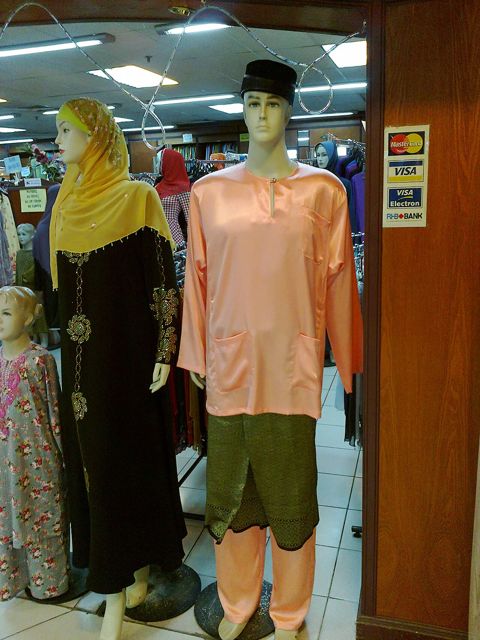
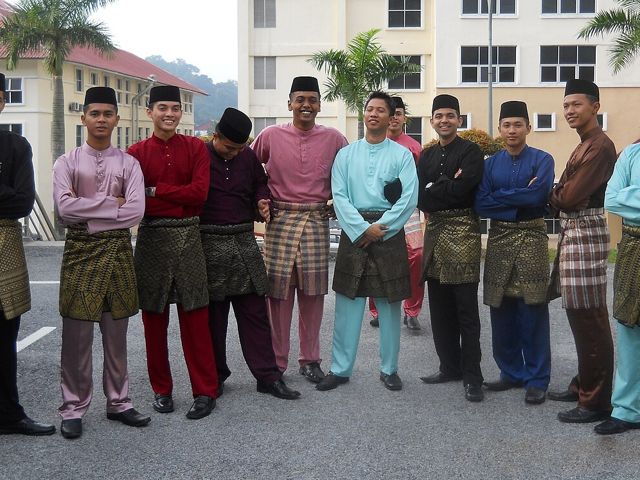
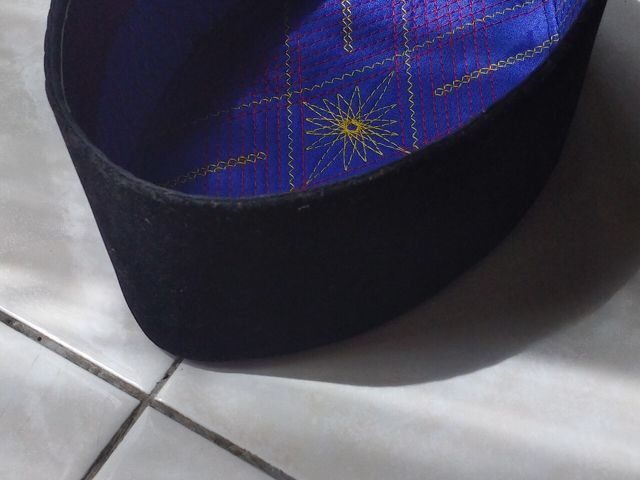
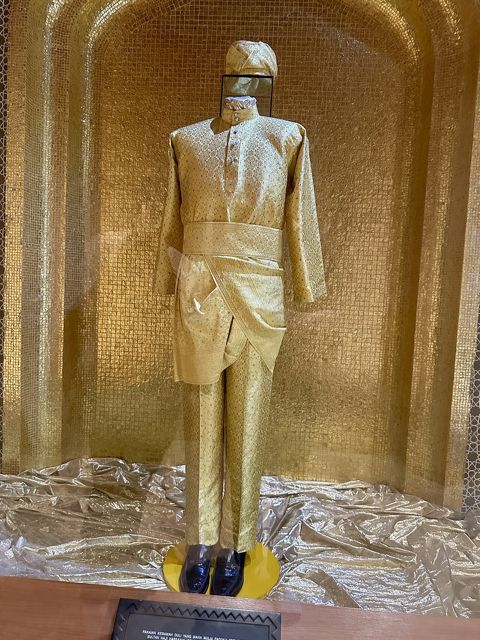
- What it is: A loose, long-sleeved tunic with matching trousers, worn with a samping (a short sarong tied at the waist) and a songkok (a black cap).
- Teluk Belanga: Has a round neckline with no collar. It is linked to Johor and the old Malay court style.
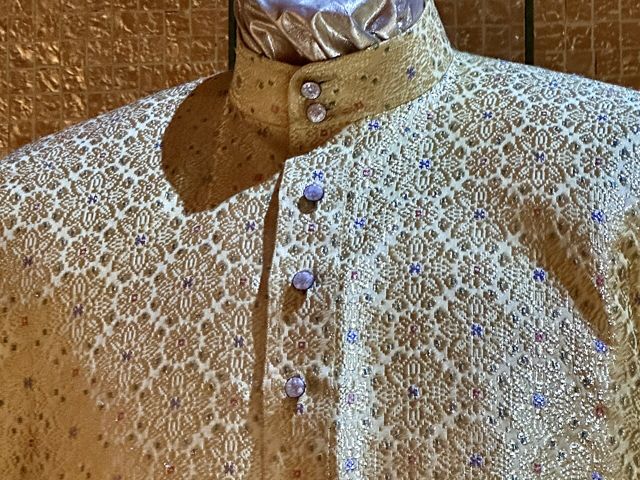
- Cekak Musang: Has a short stand-up collar fastened with buttons. It is very popular today.
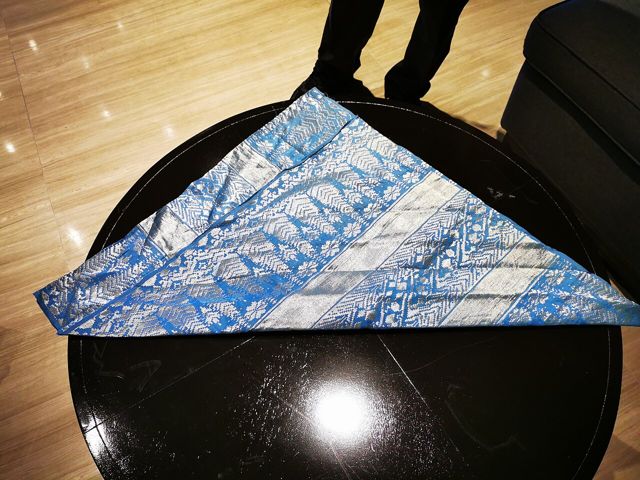
- Samping: Worn over the tunic, often in songket cloth, and tied so that its lower edge sits around the knee.
- Songkok: A black cap worn with baju Melayu for weddings, Friday prayers and Hari Raya. Families often wear matching colours at Hari Raya.
Men: sarong, jubah and royal dress
- Kain pelekat and kopiah: A checked sarong with a plain shirt and a white kopiah (prayer cap) is everyday dress for many Malay men, especially for prayers and at home.
- Jubah: A long robe, often white, worn for prayers, religious classes and on Fridays.
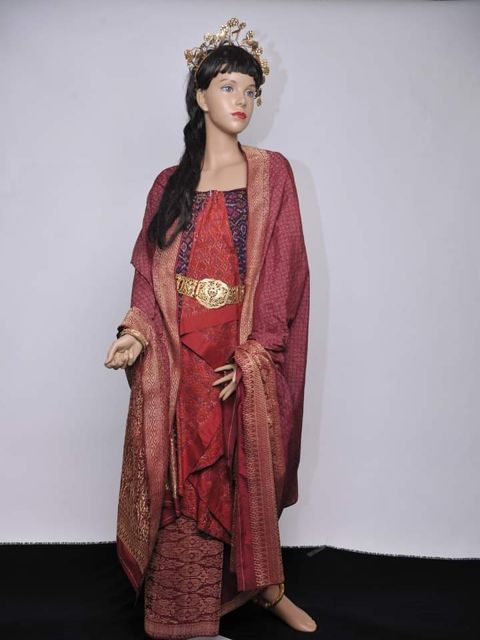
- Tanjak (tengkolok): A folded headcloth worn with a songket samping for weddings and royal or ceremonial events. Folding styles differ between states.
- Songket: Handwoven cloth with gold thread, famous in Terengganu and Kelantan.
Women: baju kurung and its styles
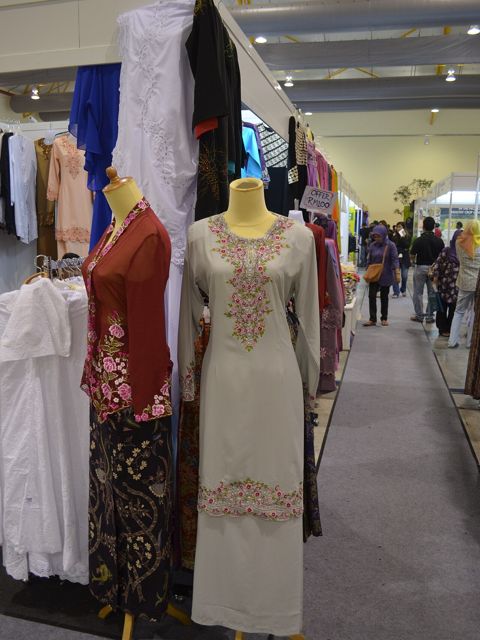
- Baju kurung: A long, loose blouse worn with a long skirt (kain) and a tudung. It is worn at work, at school, at the mosque and on Hari Raya.
- Baju kurung Kedah: A shorter, snugger top traditionally worn with a wrapped sarong, typical of the north.
- Modern baju kurung: Has a straighter cut, often with a side slit and plain colours. Choose loose, opaque cloth to keep it modest.
- Other cuts: Teluk Belanga and Cekak Musang cuts also exist for women. Names and styles vary by region.
- Matching colours: Many families wear the same colour on Hari Raya ("sedondon").
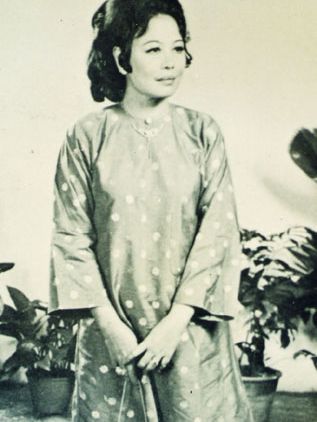
Women: kebaya labuh, jubah and telekung
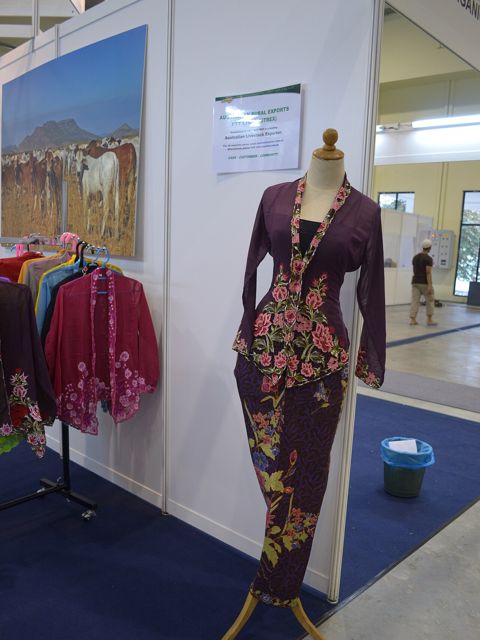
- Kebaya labuh: A long, loose kebaya, usually trimmed with lace and fastened with brooches (kerongsang), worn with kain batik or songket. It is dressy, for weddings and Hari Raya. Choose a long, loose cut to keep it modest.
- Jubah or abaya: A long gown, often paired with a shawl. Common for travel and the mosque.
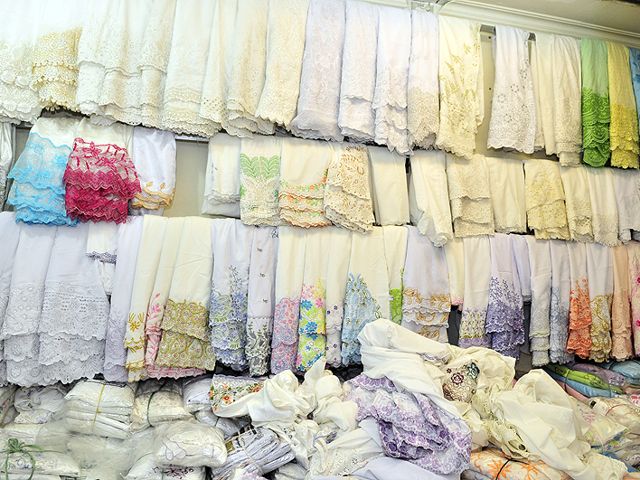
- Telekung: A white two-piece prayer garment that covers the head and body, worn for prayer only. Mosques and surau often lend telekung, and light travel telekung are sold in shops.
Headscarves and fabrics
- Bawal: A square scarf folded and pinned or tied. Neat and very popular.
- Shawl: A long rectangular scarf draped over the head and shoulders.
- Selendang: A light long scarf worn loosely, with one end thrown over the shoulder.
- Tudung labuh: A long tudung that falls to the waist or lower, for extra coverage.
- Fabrics: Cotton and chiffon are cool in the heat, satin and songket are for celebrations, batik is made in Terengganu and Kelantan, and lace trims kebaya and telekung.
- Visitors: You do not need a tudung in general, but women are asked to cover their hair in mosques, where scarves are often lent.
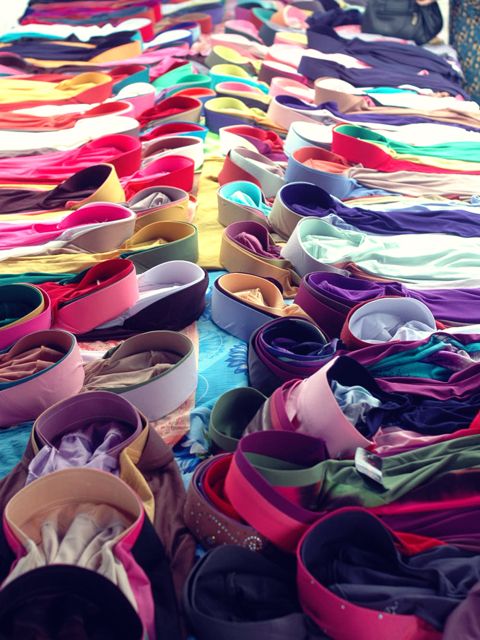
Wearing, buying and tailoring tips
- Where to buy: Ready-made baju Melayu, baju kurung and tudung are sold in malls, markets and shops such as Jakel, and in textile areas of cities, such as Jalan Tuanku Abdul Rahman in Kuala Lumpur.
- Tailoring: Tailors can make a set, often in a few days to a few weeks depending on the season, so order early before Hari Raya.
- Fit: Malay clothes are cut loose. Choose a size that is comfortable, not tight.
- Care: Songket and lace are delicate, so dry clean or hand wash them.
- Respect: Wear prayer garments such as telekung only for prayer, not as a costume.
- See also: The women's travel guide and the mosque etiquette guide.